

PACT Project 2024: Mental Health and Psychosocial Support (MHPSS) Landscape Analysis
Overview
The Mental Health and Psychosocial Support (MHPSS) Landscape Analysis examines the availability, accessibility, quality and delivery of mental health and psychosocial support services for Orphans and Vulnerable Children (OVC) and their caregivers in selected Nigerian states.
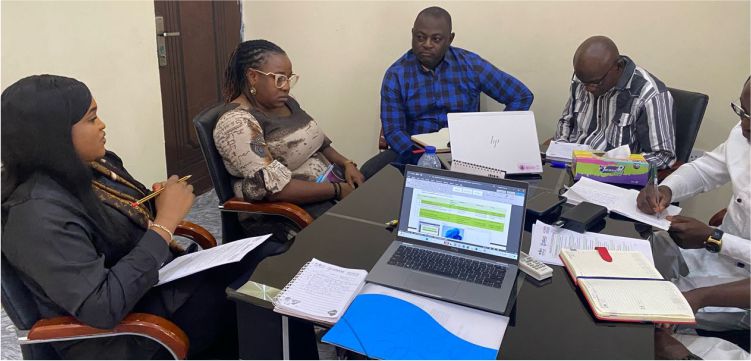
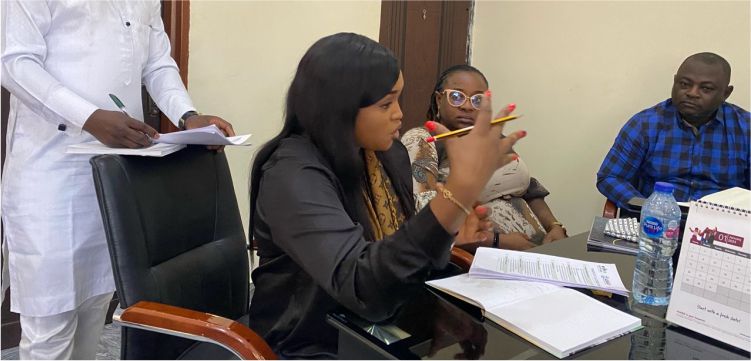
The analysis combines a review of existing literature, policies and reports with consultations involving key stakeholders, including government representatives, non-governmental organisations, healthcare providers, community leaders and other relevant actors. Interviews and focus group discussions were also used to gather information on the current state of MHPSS services, the challenges affecting service delivery and access, and opportunities for strengthening the existing system.
Purpose of the Analysis
The assessment seeks to provide a clearer understanding of the MHPSS landscape and identify important gaps that affect vulnerable children and their caregivers. It focuses on issues such as:
- Availability and accessibility of mental health and psychosocial support services
- Quality and consistency of care provided
- Availability and capacity of trained mental health professionals
- Access to counselling, screening and referral services
- Funding and resource allocation for MHPSS programmes
- Awareness and understanding of mental health issues
- Stigma and socio-cultural barriers to seeking support
- Coordination between government, NGOs, healthcare providers and communities
- Existing policies, guidelines and systems supporting MHPSS services
Key Findings
Unequal Access to Mental Health Services
One of the major findings is the significant difference in access to MHPSS services between urban and rural communities. Services and trained professionals are more likely to be available in urban areas, while people living in underserved communities may have limited access to appropriate care.
This creates difficulties for vulnerable children and caregivers who may need mental health support but face geographical, financial or logistical barriers to accessing services.
Gaps in the Quality of Care
The analysis identifies variations in the quality and availability of MHPSS services. While some services are available, there are gaps in the consistency of care, the availability of appropriate protocols and the capacity of service providers.
Limited training and shortages of skilled personnel can affect the ability of providers to identify mental health needs, provide appropriate interventions and make effective referrals when specialised support is required.
Stigma and Limited Mental Health Awareness
Stigma remains an important barrier to accessing mental health support. Negative perceptions surrounding mental health can discourage individuals and families from seeking help or openly discussing psychological and emotional difficulties.
The report also highlights limited mental health awareness among communities, which can make it more difficult for vulnerable children and caregivers to recognise their needs and seek appropriate assistance.
Limited Funding and Resources
Insufficient funding and resources are significant challenges affecting the sustainability and reach of MHPSS services. Limited financial resources can affect staffing, training, infrastructure, availability of medication and the implementation of mental health programmes.
The analysis also identifies inadequate infrastructure and shortages of mental health professionals as important constraints to providing comprehensive support.
Socio-Cultural and Economic Barriers
Beyond the availability of services, vulnerable children and caregivers may face social, cultural and economic barriers that prevent them from accessing support.
The analysis identifies challenges including limited financial and emotional support, inadequate awareness, socio-cultural barriers and insufficient empowerment opportunities. These factors can contribute to difficulties in accessing and sustaining appropriate mental health and psychosocial care.
Coordination Challenges
Effective MHPSS requires collaboration among multiple sectors. However, the analysis highlights the need for stronger coordination between government institutions, NGOs, healthcare providers, communities and other stakeholders.
Better coordination can help reduce duplication, improve referrals, strengthen service delivery and ensure that available resources are directed towards identified needs.
Key Areas Requiring Strengthening
The analysis identifies several areas that require attention to improve MHPSS services:
Early Identification, Screening and Referral
There is a need for appropriate and standardised approaches to identify mental health and psychosocial needs. The report highlights the absence or limited use of standardised screening tools and recommends strengthening screening, referral pathways and access to appropriate care.
Capacity Building
Training and continuous capacity development for healthcare workers, community workers and other relevant service providers are important for improving the quality of MHPSS services.
Capacity building should help service providers better recognise and respond to conditions such as depression and anxiety, while strengthening their ability to provide appropriate support and referrals.
Community-Based Support
The analysis highlights the importance of bringing MHPSS services closer to communities, particularly underserved populations. Community-based approaches can help improve access and provide support in settings where formal mental health services are limited.
Teletherapy and Telephone Support
The report identifies teletherapy and telephone-based support as potential approaches for reaching people in underserved areas. These approaches can complement existing services and help overcome some geographical barriers to accessing professional support.
Livelihood and Empowerment Support
Mental health and psychosocial wellbeing can also be affected by social and economic circumstances. The analysis therefore recommends livelihood support, skills acquisition and empowerment initiatives as part of a broader response to the needs of vulnerable children, caregivers and communities.
Major Recommendations
The report proposes a number of measures for strengthening MHPSS services.
- Strengthen government and stakeholder coordination across NGOs, healthcare providers and community organisations
- Improve training and professional capacity for frontline workers
- Develop standardised guidelines, tools and Standard Operating Procedures (SOPs)
- Improve access to treatment, including affordable medication where required
- Integrate MHPSS into existing healthcare and social welfare systems
- Strengthen policies and government involvement
- Improve data collection and reporting at state level
- Increase public awareness to reduce stigma and encourage help-seeking
Moving Towards a More Integrated MHPSS System
Overall, the landscape analysis shows that improving mental health and psychosocial support requires more than simply increasing the number of available services. It requires a coordinated approach that addresses access, quality, affordability, awareness, stigma, workforce capacity, funding, policies and referral systems.
The report emphasises the importance of combining government action with the contributions of NGOs, healthcare providers, communities and other stakeholders. It also highlights the need for sustainable funding, stronger infrastructure, trained personnel and approaches that can reach underserved populations.
Conclusion
The MHPSS landscape analysis highlights important gaps in the availability and delivery of mental health and psychosocial support for vulnerable populations. Unequal access, limited resources, shortages of trained professionals, stigma, inadequate infrastructure and gaps in coordination continue to affect the ability of individuals and families to receive appropriate support.
Addressing these challenges will require stronger coordination, increased capacity building, improved screening and referral systems, greater community engagement, sustainable funding, better policies and integration of MHPSS into healthcare and social welfare services.
The findings provide a basis for stakeholders to strengthen existing systems and develop more accessible, coordinated and sustainable mental health and psychosocial support services for vulnerable children, caregivers and communities.